Introduction
In a rapidly evolving business environment, staying competitive requires more than just offering great products or services. Companies must also build strong, lasting relationships with their customers. This is where Customer Relationship Management (CRM) systems become essential.
Many businesses, especially small and growing ones, initially rely on spreadsheets, emails, or scattered tools to manage customer interactions. While this approach may work temporarily, it quickly becomes inefficient as the business scales. Missed follow-ups, lost leads, inconsistent communication, and poor customer experiences are common symptoms of a lack of proper systems.
A CRM system solves these challenges by centralizing customer data, streamlining processes, and enabling better communication. In this comprehensive guide, we will explore why your business needs a CRM, how it works, and the tangible benefits it can bring to your organization.
Understanding CRM
What is CRM?
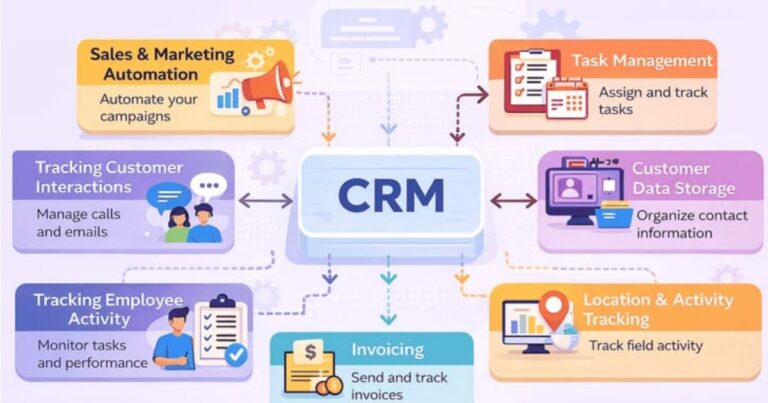
Customer Relationship Management (CRM) refers to both a strategy and a technology used to manage interactions with customers and prospects. A CRM system acts as a centralized hub where all customer-related information is stored and managed.
This includes:
- Contact details
- Communication history
- Purchase records
- Customer preferences
- Support interactions
CRM software allows teams across sales, marketing, and customer service to access and use this information efficiently.
The Evolution of CRM
CRM systems have evolved significantly over the years. Early CRMs were simple databases used for storing contact information. Today, modern CRM platforms include advanced features such as:
- Automation
- Artificial intelligence
- Predictive analytics
- Omnichannel communication
This evolution has transformed CRM into a powerful business tool that drives growth and innovation.
The Core Purpose of CRM
Centralizing Customer Data
One of the primary purposes of a CRM system is to centralize customer information. Instead of storing data in multiple places, everything is accessible in one unified platform.
Improving Customer Relationships
CRM systems help businesses understand their customers better, allowing for more personalized and meaningful interactions.
Streamlining Business Processes
Automation and workflow management reduce manual tasks, improving efficiency and productivity.
Key Reasons Why Your Business Needs a CRM
Better Organization and Efficiency
Without a CRM, businesses often struggle with disorganized data. Important information may be lost in emails, spreadsheets, or notes.
A CRM system organizes all customer data in one place, making it easy to:
- Access information quickly
- Track interactions
- Manage tasks
This leads to improved efficiency and reduced errors.
Improved Sales Performance
CRM systems provide tools that help sales teams manage leads, track opportunities, and close deals more effectively.
How CRM Boosts Sales
- Tracks the sales pipeline
- Automates follow-ups
- Identifies high-value leads
- Provides sales insights
With better visibility and organization, sales teams can focus on closing deals rather than managing data.
Enhanced Customer Experience
Customer experience is a key differentiator in today’s market. A CRM system enables businesses to deliver personalized and consistent experiences.
Benefits for Customers
- Faster response times
- Personalized communication
- Better support
Satisfied customers are more likely to return and recommend your business to others.
Increased Customer Retention
Acquiring new customers is expensive, but retaining existing ones is more cost-effective.
CRM systems help businesses:
- Track customer behavior
- Identify churn risks
- Engage customers proactively
This leads to higher retention rates and long-term loyalty.
Data-Driven Decision Making
CRM platforms provide valuable insights through analytics and reporting.
Key Metrics
- Sales performance
- Customer behavior
- Marketing effectiveness
These insights enable businesses to make informed decisions and improve strategies.
Automation of Repetitive Tasks
Manual tasks such as data entry, follow-ups, and reporting can consume a significant amount of time.
CRM systems automate these processes, allowing teams to focus on strategic activities.
Examples of Automation
- Email campaigns
- Lead assignment
- Task reminders
Better Team Collaboration
CRM systems improve collaboration by providing a shared platform for all teams.
Collaboration Benefits
- Shared customer data
- Improved communication
- Aligned goals
Sales, marketing, and support teams can work together more effectively.
CRM for Different Business Functions
Sales Teams
CRM systems help sales teams:
- Manage leads
- Track deals
- Forecast revenue
Marketing Teams
Marketing teams can use CRM to:
- Segment audiences
- Run targeted campaigns
- Measure performance
Customer Support
Support teams benefit from:
- Access to customer history
- Faster issue resolution
- Improved service quality
Signs Your Business Needs a CRM
You Are Losing Leads
If leads are slipping through the cracks, it’s a clear sign that you need a CRM system.
Your Data is Disorganized
Scattered data makes it difficult to manage customer relationships effectively.
Your Team is Overwhelmed
Manual processes can overwhelm your team and reduce productivity.
You Lack Insights
Without data and analytics, it’s hard to make informed decisions.
Types of CRM Systems
Operational CRM
Focuses on automating business processes such as sales and marketing.
Analytical CRM
Provides insights through data analysis.
Collaborative CRM
Enhances communication and collaboration across teams.
How CRM Drives Business Growth
Scalability
CRM systems grow with your business, allowing you to manage increasing volumes of data and customers.
Improved Efficiency
Automation and streamlined processes improve overall efficiency.
Higher Revenue
Better sales management and customer relationships lead to increased revenue.
Common CRM Features
Contact Management
Store and manage customer information.
Sales Pipeline Management
Track deals and opportunities.
Marketing Automation
Automate campaigns and communications.
Reporting and Analytics
Measure performance and gain insights.
Integration Capabilities
Connect with other tools and systems.
How to Choose the Right CRM
Define Your Needs
Identify your business requirements and goals.
Consider Budget
Choose a CRM that fits your financial constraints.
Evaluate Features
Ensure the CRM offers the features you need.
Check Usability
A user-friendly interface is essential for adoption.
CRM Implementation Best Practices
Set Clear Goals
Define what you want to achieve with your CRM system.
Train Your Team
Ensure all users understand how to use the CRM effectively.
Clean Your Data
Accurate data is essential for success.
Monitor Performance
Track results and make improvements.
Challenges of CRM Adoption
Resistance to Change
Employees may be hesitant to adopt new systems.
Data Migration Issues
Transferring data can be complex.
Overcomplication
Too many features can overwhelm users.
Overcoming CRM Challenges
Provide Training
Educate your team on the benefits and usage of CRM.
Start Simple
Begin with basic features and expand gradually.
Focus on Value
Highlight how CRM improves daily tasks and outcomes.
Future of CRM
Artificial Intelligence
AI will enhance CRM capabilities with predictive insights and automation.
Personalization
CRM systems will enable deeper personalization.
Integration
CRMs will integrate with more tools and platforms.
Real-World Impact of CRM
Businesses that implement CRM systems often experience:
- Increased sales
- Improved customer satisfaction
- Better operational efficiency
These benefits contribute to long-term success and growth.
Conclusion
A CRM system is no longer optional for businesses that want to grow and succeed in today’s competitive environment. It is a powerful tool that centralizes data, improves processes, and enhances customer relationships.
By investing in a CRM system, businesses can increase efficiency, boost sales, and retain customers more effectively. The result is a stronger, more resilient organization that is better equipped to meet the demands of the modern market.
Whether you are a small business owner or managing a growing enterprise, adopting a CRM system is a strategic decision that can transform your business and set you on the path to long-term success.