Introduction
Marketing today is no longer about sending mass emails or running isolated campaigns. It is about delivering the right message to the right person at the right time—consistently and at scale. This level of precision is only possible with powerful tools that combine Customer Relationship Management (CRM) and marketing automation.
CRM tools with built-in marketing automation capabilities allow businesses to manage customer data, automate campaigns, nurture leads, and track performance—all from a single platform. These tools bridge the gap between marketing and sales, creating a seamless customer journey that drives conversions and long-term loyalty.
In this comprehensive guide, we will explore the top CRM tools for marketing automation, how they work, their key features, benefits, and how to choose the best one for your business.
What is CRM Marketing Automation?
Definition and Core Concept
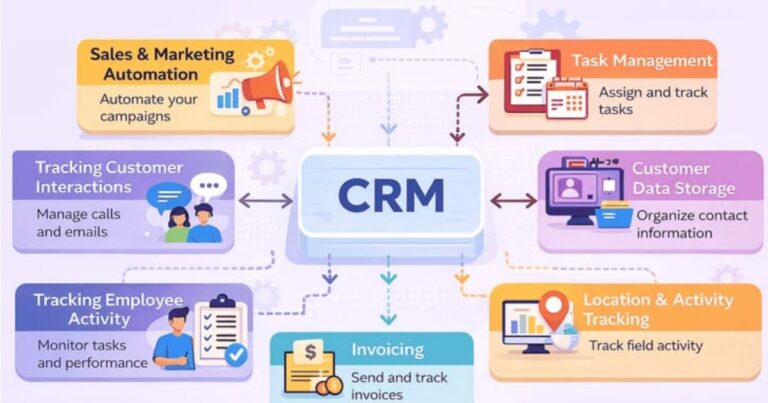
CRM marketing automation refers to the integration of CRM systems with marketing automation tools to streamline and optimize marketing processes. This combination allows businesses to manage customer relationships while automating repetitive marketing tasks.
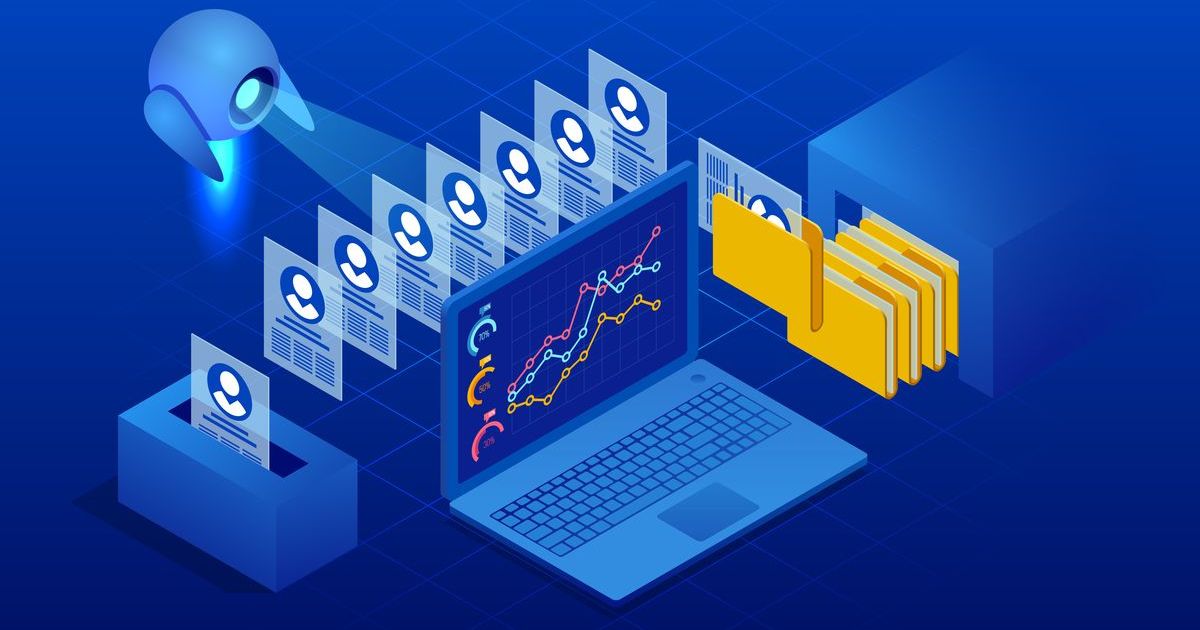
These platforms centralize customer data, automate workflows, and enable personalized communication across multiple channels.
How It Works
CRM marketing automation tools collect data from various touchpoints such as:
- Website visits
- Email interactions
- Social media engagement
- Purchase history
Using this data, the system can:
- Segment audiences
- Trigger automated campaigns
- Score leads
- Personalize messaging
Why It Matters
Without automation, marketing teams spend excessive time on manual tasks. With CRM automation:
- Campaigns become scalable
- Communication becomes personalized
- Results become measurable
This leads to higher efficiency and better ROI.
Key Benefits of CRM Tools for Marketing Automation
Centralized Customer Data
All customer information is stored in one place, making it easier to access and analyze.
Improved Lead Nurturing
Automated workflows guide leads through the sales funnel with personalized messages.
Better Alignment Between Sales and Marketing
CRM tools ensure both teams work with the same data, improving collaboration and results.
Increased Conversion Rates
Personalized and timely communication increases the chances of converting leads into customers.
Time and Cost Efficiency
Automation reduces manual work, saving both time and resources.
Essential Features to Look For
Email Marketing Automation
- Automated email sequences
- Personalization
- A/B testing
Lead Scoring and Segmentation
- Identify high-quality leads
- Target specific customer groups
Workflow Automation
- Trigger-based actions
- Multi-step campaigns
Analytics and Reporting
- Campaign performance tracking
- ROI measurement
Multi-Channel Marketing
- SMS
- Social media
- Ads
Top CRM Tools for Marketing Automation
HubSpot
Overview
HubSpot is one of the most popular CRM platforms with powerful marketing automation capabilities. It offers an all-in-one solution that combines CRM, marketing, sales, and customer service tools.
Key Features
- Email marketing and automation
- Landing page builder
- Workflow automation
- Lead tracking and scoring
HubSpot is widely recognized for its strong integration between CRM and marketing tools, making it ideal for businesses looking for a unified platform.
Best For
- Small to medium businesses
- Startups
- Inbound marketing strategies
ActiveCampaign
Overview
ActiveCampaign is known for its advanced automation capabilities and AI-driven marketing features.
Key Features
- Visual automation builder
- Predictive email sending
- CRM integration
- Advanced segmentation
It offers a massive library of pre-built workflows and AI tools that enhance campaign performance.
Best For
- Businesses focused on email marketing
- Companies needing advanced automation
Salesforce Marketing Cloud
Overview
Salesforce is a leading CRM platform with robust marketing automation capabilities through its Marketing Cloud.
Key Features
- Multi-channel campaign management
- Customer journey mapping
- AI-driven insights
- Advanced analytics
Salesforce allows businesses to create highly personalized campaigns and track customer interactions across channels.
Best For
- Large businesses
- Enterprises
- Complex marketing strategies
Zoho CRM Plus
Overview
Zoho CRM Plus is an affordable, all-in-one platform designed for businesses that want integrated marketing and sales tools.
Key Features
- Email marketing automation
- Social media management
- Campaign tracking
- CRM integration
Best For
- Small to medium businesses
- Budget-conscious companies
Mailchimp
Overview
Mailchimp started as an email marketing tool but has evolved into a CRM platform with automation features.
Key Features
- Email automation
- Audience segmentation
- Campaign analytics
- Basic CRM functionality
Best For
- Beginners
- Small businesses
- Email-focused marketing
Marketo Engage
Overview
Marketo is a powerful marketing automation platform designed for complex campaigns and large-scale operations.
Key Features
- Behavioral tracking
- Lead scoring
- Multi-channel campaigns
- Advanced analytics
Marketo provides deep insights into customer behavior and campaign performance.
Best For
- Enterprises
- Data-driven marketing teams
Brevo (Sendinblue)
Overview
Brevo is a budget-friendly CRM and marketing automation tool suitable for small businesses.
Key Features
- Email and SMS marketing
- Automation workflows
- CRM features
- Meeting scheduling
It is known for its affordability and ease of use.
Best For
- Small businesses
- Startups
EngageBay
Overview
EngageBay is an all-in-one CRM and marketing automation platform designed for growing businesses.
Key Features
- Email marketing
- Lead generation tools
- Automation workflows
- Customer support features
It offers a cost-effective solution with a wide range of features.
Best For
- SMBs
- Budget-conscious teams
GetResponse
Overview
GetResponse combines email marketing, CRM, and automation with additional tools like webinars.
Key Features
- Marketing automation
- Landing pages
- Webinar hosting
- Email campaigns
Best For
- Content marketers
- Businesses running webinars
Keap (Infusionsoft)
Overview
Keap focuses on small business automation, combining CRM, sales, and marketing tools.
Key Features
- Sales automation
- Email marketing
- Payment processing
- Customer management
Best For
- Small businesses
- Service-based companies
Comparison of Top CRM Tools
Feature Comparison Overview
| Tool | Best For | Key Strength | Pricing Level |
|---|---|---|---|
| HubSpot | All-in-one solution | Integration & usability | Medium to high |
| ActiveCampaign | Automation | AI workflows | Medium |
| Salesforce | Enterprise | Advanced features | High |
| Zoho CRM | SMBs | Customization | Low to medium |
| Mailchimp | Beginners | Email marketing | Low |
| Marketo | Enterprises | Analytics | High |
| Brevo | Budget users | Affordability | Low |
| EngageBay | SMBs | All-in-one features | Low |
| GetResponse | Content marketing | Webinars | Medium |
| Keap | Small business | Simplicity | Medium |
How to Choose the Right CRM Tool
Understand Your Business Needs
Ask yourself:
- Do you need advanced automation or simple workflows?
- What is your budget?
- How large is your team?
Evaluate Features
Choose a tool that offers:
- Automation capabilities
- Integration options
- Scalability
Consider Ease of Use
A user-friendly interface ensures faster adoption and better productivity.
Check Integration Capabilities
Ensure the CRM integrates with tools like:
- Email platforms
- E-commerce systems
- Analytics tools
Test Before You Commit
Many CRM tools offer free trials or demo versions.
Best Practices for Using CRM Marketing Automation
Segment Your Audience
Divide customers into groups for targeted campaigns.
Personalize Your Communication
Use customer data to create relevant messages.
Automate Wisely
Avoid over-automation—maintain a human touch.
Monitor Performance
Track metrics such as:
- Open rates
- Conversion rates
- Customer engagement
Common Mistakes to Avoid
Overcomplicating Workflows
Keep automation simple and effective.
Ignoring Data Quality
Clean and accurate data is essential.
Lack of Strategy
Define clear goals before implementing CRM tools.
Future Trends in CRM Marketing Automation
AI-Powered Automation
AI is transforming CRM tools by enabling predictive analytics and smarter workflows.
Omnichannel Marketing
Future CRM tools will integrate more communication channels.
Hyper-Personalization
Advanced data analysis will allow deeper personalization.
No-Code Automation
Tools are becoming easier to use without technical expertise.
Real-World Insights from Users
Many users highlight the importance of ease of use and automation capabilities when choosing CRM tools.
“HubSpot’s workflow builder alone has saved us hundreds of hours this year.”
Others emphasize balancing features with simplicity:
“ActiveCampaign reduces follow-up busywork instead of adding more admin.”
Conclusion
CRM tools for marketing automation are essential for modern businesses aiming to scale efficiently. They enable companies to centralize data, automate campaigns, and deliver personalized experiences that drive both conversions and customer loyalty.
From beginner-friendly tools like Mailchimp and Brevo to advanced platforms like Salesforce and Marketo, there is a solution for every business size and need.
Choosing the right CRM tool depends on your goals, budget, and level of complexity. By understanding the features, benefits, and best practices outlined in this guide, you can make an informed decision and build a powerful marketing system that drives long-term growth.
Investing in CRM marketing automation is not just about improving efficiency—it is about creating meaningful connections with your customers at every stage of their journey.