Introduction
In today’s competitive business landscape, acquiring new customers is only part of the equation. Long-term success depends on a company’s ability to both increase sales and retain existing customers. This is where Customer Relationship Management (CRM) systems play a crucial role.
CRM software is more than just a digital address book. It is a powerful tool that helps businesses understand customer behavior, streamline sales processes, and build meaningful relationships. When used effectively, CRM can significantly boost revenue while improving customer loyalty.
This in-depth guide explores how CRM systems increase sales and retention, the strategies behind their success, and how businesses can leverage CRM tools to achieve sustainable growth.
Understanding CRM and Its Role in Business Growth
What is CRM?
Customer Relationship Management (CRM) refers to the technologies and strategies companies use to manage interactions with customers and prospects. A CRM system centralizes customer data, making it accessible across departments.
Why CRM Matters for Sales and Retention
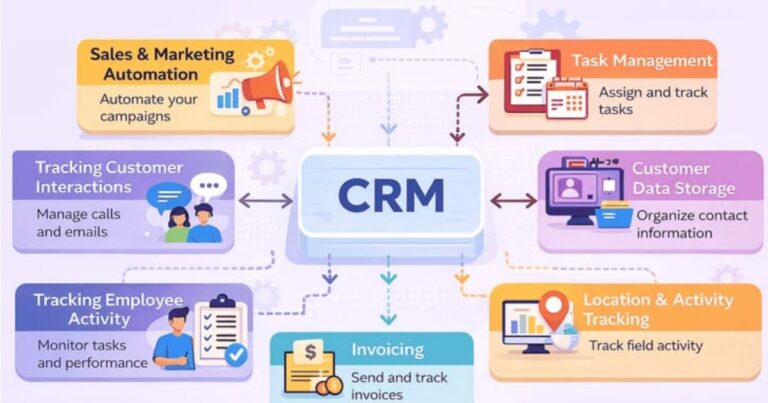
Without a CRM system, businesses often struggle with scattered data, missed opportunities, and inconsistent communication. CRM solves these problems by:
- Providing a unified customer database
- Tracking every interaction
- Enabling personalized engagement
- Automating workflows
These capabilities directly impact both sales performance and customer retention.
The Link Between CRM, Sales, and Retention
How Sales and Retention Work Together
Sales and retention are closely connected. Increasing sales is not just about acquiring new customers—it also involves maximizing the value of existing ones.
Retained customers tend to:
- Spend more over time
- Refer new customers
- Cost less to serve
CRM systems help businesses nurture these relationships and unlock long-term value.
The Cost of Ignoring CRM
Businesses that fail to implement CRM often face:
- Lost leads
- Poor customer experiences
- Inefficient processes
- Lower customer loyalty
This ultimately results in reduced revenue and growth.
How CRM Increases Sales
Improved Lead Management
CRM systems capture and organize leads from multiple sources, such as websites, social media, and email campaigns.
Benefits of Lead Management
- No lost opportunities
- Better lead tracking
- Faster follow-ups
With all leads stored in one place, sales teams can prioritize high-value prospects and close deals more efficiently.
Streamlined Sales Pipeline
A CRM provides a visual representation of the sales pipeline, showing each stage of the customer journey.
Key Advantages
- Clear visibility into deals
- Better forecasting
- Improved decision-making
Sales teams can identify bottlenecks and take action to keep deals moving forward.
Automation of Sales Tasks
CRM systems automate repetitive tasks, such as:
- Sending follow-up emails
- Scheduling meetings
- Updating records
Impact on Sales
Automation frees up time for sales teams to focus on building relationships and closing deals.
Better Customer Insights
CRM platforms collect and analyze customer data, providing valuable insights into behavior and preferences.
How Insights Drive Sales
- Personalized offers
- Targeted communication
- Improved product recommendations
Understanding customers leads to more effective sales strategies.
Enhanced Communication
CRM systems track all customer interactions, ensuring consistent and timely communication.
Communication Benefits
- Personalized messaging
- Faster response times
- Improved customer experience
Effective communication builds trust and increases the likelihood of closing sales.
Cross-Selling and Upselling Opportunities
CRM systems help identify opportunities to sell additional products or services.
Examples
- Suggesting upgrades
- Offering complementary products
- Providing tailored recommendations
These strategies increase the average transaction value and overall revenue.
How CRM Improves Customer Retention
Personalized Customer Experience
Customers expect personalized experiences. CRM systems make this possible by storing detailed customer information.
Personalization Benefits
- Relevant communication
- Customized offers
- Stronger relationships
Personalization increases customer satisfaction and loyalty.
Proactive Customer Support
CRM systems enable businesses to anticipate customer needs and address issues before they escalate.
Key Features
- Ticketing systems
- Support history tracking
- Automated responses
Proactive support improves customer satisfaction and reduces churn.
Consistent Engagement
CRM tools help businesses stay connected with customers through:
- Email campaigns
- Follow-ups
- Notifications
Result
Regular engagement keeps the brand top-of-mind and strengthens relationships.
Customer Feedback and Insights
CRM systems collect feedback through surveys, reviews, and interactions.
How Feedback Helps Retention
- Identifies pain points
- Improves products and services
- Enhances customer experience
Listening to customers builds trust and loyalty.
Loyalty Programs and Rewards
CRM platforms can manage loyalty programs, rewarding repeat customers.
Examples
- Points systems
- Discounts
- Exclusive offers
These incentives encourage repeat business and long-term engagement.
CRM Strategies to Increase Sales and Retention
Segment Your Audience
Divide customers into groups based on behavior, preferences, or demographics.
Benefits
- Targeted marketing
- Improved engagement
- Higher conversion rates
Automate Marketing Campaigns
Use CRM tools to create automated campaigns tailored to customer segments.
Examples
- Welcome emails
- Abandoned cart reminders
- Re-engagement campaigns
Automation ensures timely and relevant communication.
Track Customer Journey
Understanding the customer journey helps businesses identify opportunities to improve.
Key Stages
- Awareness
- Consideration
- Purchase
- Retention
CRM systems provide insights at each stage.
Align Sales and Marketing Teams
CRM platforms enable collaboration between sales and marketing teams.
Advantages
- Better lead quality
- Consistent messaging
- Improved results
Focus on Customer Lifetime Value
CRM systems help calculate and optimize customer lifetime value (CLV).
Why CLV Matters
- Encourages long-term thinking
- Improves profitability
- Guides marketing strategies
Key CRM Features That Drive Results
Contact Management
Centralized customer data improves organization and accessibility.
Sales Automation
Automated workflows increase efficiency and productivity.
Analytics and Reporting
Data-driven insights help businesses make informed decisions.
Integration Capabilities
Seamless integration with other tools enhances functionality.
Mobile Access
Mobile-friendly CRMs allow teams to work from anywhere.
Real-World Use Cases
Small Business Growth
A small business can use CRM to:
- Track leads
- Automate follow-ups
- Improve customer relationships
E-commerce Optimization
Online stores can leverage CRM to:
- Personalize recommendations
- Reduce cart abandonment
- Increase repeat purchases
Service-Based Businesses
Service providers can use CRM to:
- Manage client relationships
- Schedule appointments
- Track communication
Common Mistakes to Avoid
Not Defining Clear Goals
Without clear objectives, CRM implementation may fail.
Poor Data Quality
Inaccurate or outdated data reduces effectiveness.
Lack of Training
Employees need proper training to use CRM effectively.
Overcomplicating the System
Too many features can overwhelm users.
Measuring CRM Success
Key Performance Indicators (KPIs)
- Sales growth
- Conversion rates
- Customer retention rate
- Customer lifetime value
Continuous Improvement
Regularly analyze performance and adjust strategies.
Future Trends in CRM
Artificial Intelligence
AI-powered CRM systems offer predictive analytics and automation.
Omnichannel Communication
CRM platforms are integrating multiple communication channels.
Enhanced Personalization
Advanced tools enable deeper personalization at scale.
Cloud-Based Solutions
Cloud CRM systems offer flexibility and scalability.
Conclusion
CRM systems are powerful tools that drive both sales growth and customer retention. By centralizing data, automating processes, and enabling personalized interactions, CRM software helps businesses build stronger relationships and achieve long-term success.
Implementing the right CRM strategy can transform how a business operates, leading to increased efficiency, higher revenue, and improved customer satisfaction.
In a world where customer experience is a key differentiator, investing in CRM is not just an option—it is a necessity for sustainable growth.